eBookComing soon
So This Is How to Communicate at Work
In a results-driven workplace, doing good work isn’t enough: people also need to see your thinking and effort.
Learn to explain your process clearly, and feel less needlessly overlooked.
At work and beyond,express yourself more clearly,and understand others more deeply.
Listen better · Ask better · Speak better

Learn with me
Here you can learn at your own pace and for your own needs, starting from real, everyday conversation moments, with communication methods you can actually use.
01
In the office or working from home, whatever your seniority, people assume you know how to communicate when:
Yet no one seems to show us how to communicate so that we say what we really think, understand what others mean, and keep their trust.

In a results-driven workplace, doing good work isn’t enough: people also need to see your thinking and effort.
Learn to explain your process clearly, and feel less needlessly overlooked.
02
How do you make family, partners and friends want to keep talking with you?
Not by speaking beautifully, but by helping them feel heard, and helping them hear what you mean.
Learn how to listen, ask, respond and share, so conversations flow both ways.

Warmth is what makes people want to come closer.
Start with your everyday conversation habits, so people enjoy talking with you, and you both find it easier to share what you really think and feel.
Everyone feels pressure, but the people around us don’t always know.
At work and in life, explore together how to put your difficulties, feelings and needs into words, so the people around you understand you better.
Or something you’ve never known how to say?
Together we can sort through your thoughts, look at other angles, and find how you might put it.
For teams and organisations
Communication programmes and talks designed around your team’s and organisation’s needs, close to real working situations.
Starting from everyday workplace conversations, with concrete examples, discussion and practice, participants learn how to listen, ask and express themselves, and take those skills back to work.

Training and talk topics include:
From large-scale events and masterclasses to panel discussions, I help conversation flow naturally between stage and audience, so that guests’ stories and ideas are truly heard.
Whether as an emcee or a moderator, I put the work into preparation beforehand, listening in the moment, and connecting guests with the audience.
Hosting experience includes these organisations and events:


Free resources
1minute
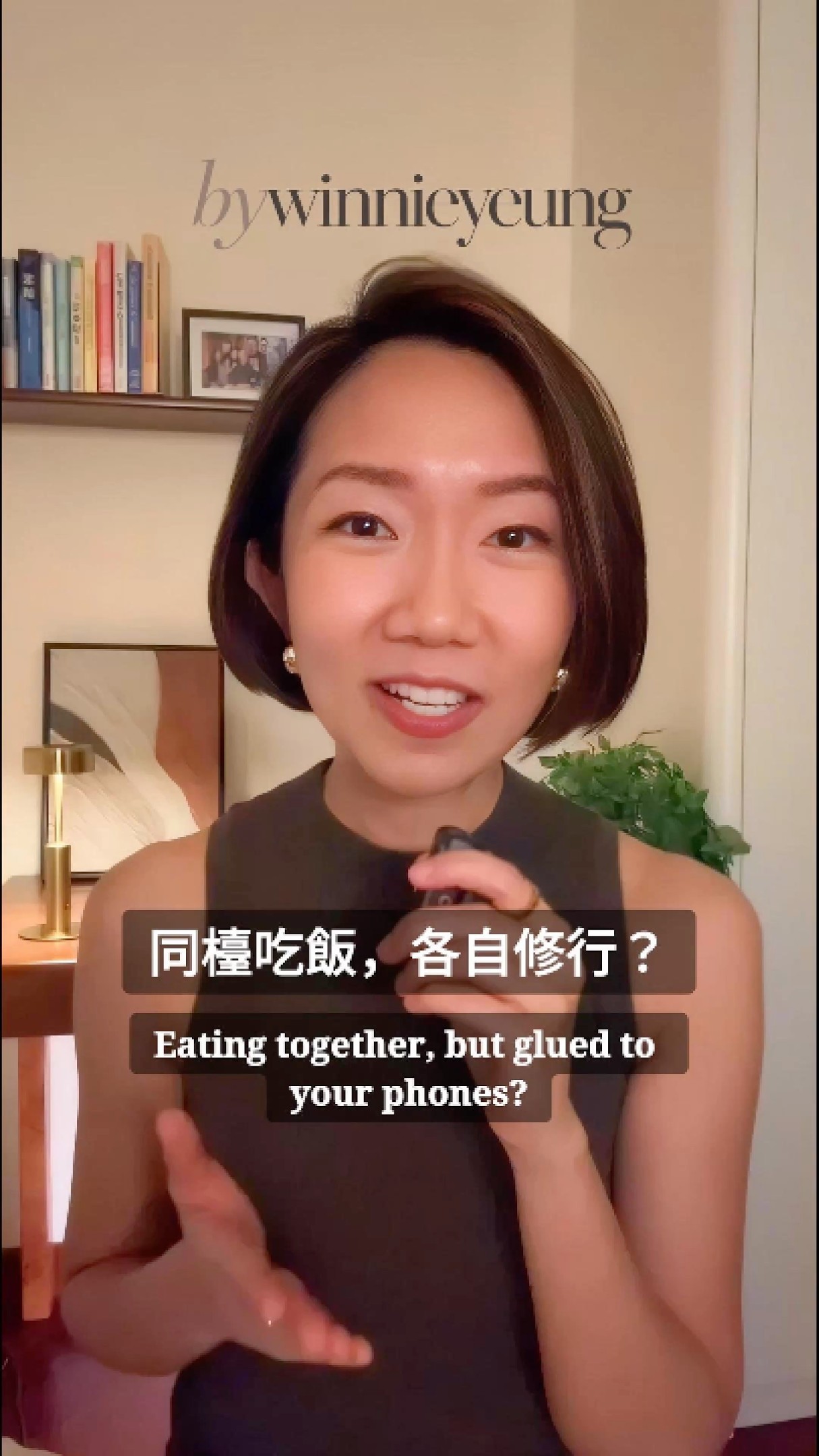
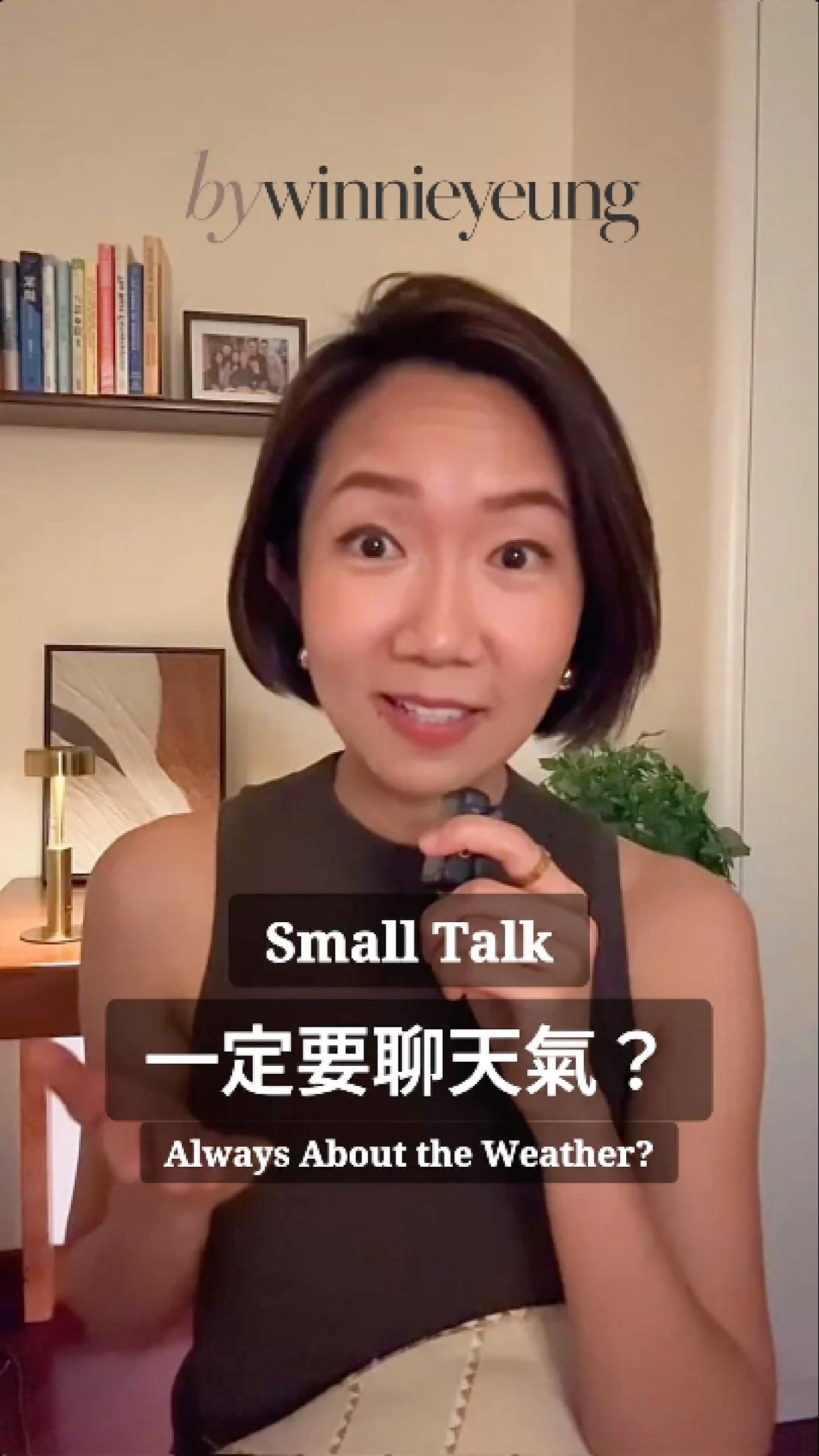
On Instagram Reels: real, everyday conversation moments, and how to listen, ask and speak in them. Videos are in Cantonese.
Watch on Instagram Reels10minutes
Leave your name and email to get these free communication guides (PDF).
Podcast


Life stories that touch lives
Stories of helpers and of people who have lived through it, sharing why they walk alongside others and what they’ve been through, so you find the strength to keep going.
Watch The Helping DialogueAbout Winnie
At work, at home, with a partner or with friends, perhaps you have felt that:
You said it clearly,yet were still misunderstood
You were truly listening,yet they couldn’t feel it
You had something to say,but didn’t know how to begin
You wanted to be heard too,but they only talked about themselves
Good two-way conversation isn’t about making every sentence perfectly polished.
It’s about everyday conversation,saying clearly what you mean and understanding what the other person means,so goodwill and trust build, little by little.
Goodwill and trust can start with everyday conversation habits:
01 · 細細聽
Listen better
Listen closely: behind what they are saying, what are they really thinking?
02 · 好好問
Ask better
Ask in a different way, so it’s easier for them to answer, and clearer to you what they mean.
03 · 慢慢說
Speak better
Pick up on what they said, then add your own thoughts, so they want to keep listening.

My story
Over the past fifteen years I have been a journalist, a headhunter and a corporate HR professional, interviewing people from all walks of life and listening to their stories of work, relationships and life.
This is the story of how I learned to communicate:
01
At secondary school I was named best debater in inter-school competitions and won an impromptu speaking contest. I thought being articulate and never lost for words was what good communication meant.
At university I majored in Journalism and Communication, and interviewed officials, academics, newspaper vendors and sex workers. It turns out one well-asked question can close the distance between people, and make people from completely different backgrounds willing to open up.
When I later studied for a diploma in counselling, I began to learn to listen properly. Listening, it turns out, looks simple but is hard to do well. And it isn’t only a skill for professional helpers: it’s something every one of us can practise in our everyday relationships.
Speaking, asking and listening are all part of communication. So why, from school to the workplace, do we so often judge someone’s communication skills, even their personality, by how talkative or fluent they are?
02
At work and outside it, we build and keep relationships with different people every day. Relationships rarely change through one deep conversation. More often, goodwill and trust build up slowly through everyday back-and-forth.
And I came to see that how we listen, ask and speak rests on a few shared principles. They can be learned and practised without changing who you are, and used in everyday conversations at work, at home and with friends.
Today I am a communication trainer, and the host and founder of the podcast The Helping Dialogue 同行・對話. I also work as an event emcee and moderator, connecting the people on stage with the people in the audience.
Outside work, I am a mother, a wife, a daughter, a sister and a friend. To me, communication has never been just a work skill. It lives in every relationship we have, big and small, every day.
What I share here isn’t only knowledge from my work and studies. It’s what I keep trying to practise in all these roles, and the way of communicating I hope my four-year-old daughter will come to see as she grows up.
03
Being yourself doesn’t have to mean saying whatever comes to mind.
Being yourself can also mean choosing how to listen, ask and speak to suit each relationship and occasion, so you look after others without shortchanging yourself.
Is this the kind of ease you’re looking for too?
Learn with meGrowing up and career

Maryknoll Convent School
Secondary school

CUHK
Journalism & Communication

Cable TV
Journalist

Ambition
Headhunter

Betterment
Headhunter


Pfizer · Hilti
Corporate HR


bywinnieyeung · The Helping Dialogue
Communication trainer · Podcast host
Contact
Want to get your ideas across at work, or feel more at ease talking with family, a partner or friends?
Or facing a particular conversation you don’t know how to start?
Have a look at the eBooks and the talk, or book a one-to-one consultation so I can understand your situation.
Let’s see together how I can help.